

Virtual Reality and Space Exploration: Training Astronauts and Simulating Missions
Author
Gerald Ferreira
Date Published
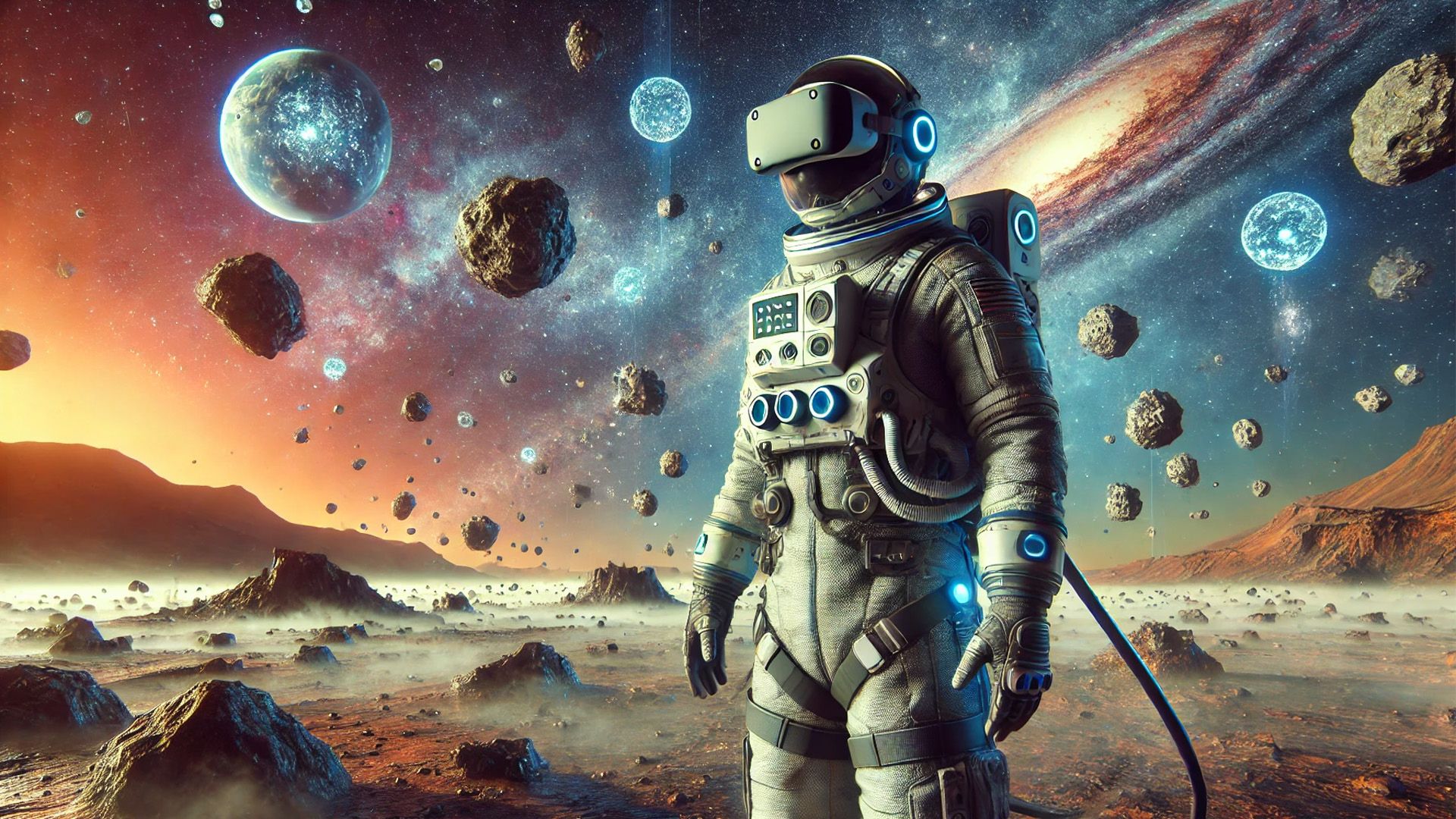
Harnessing the Power of Virtual Reality to Propel Humanity into the Final Frontier
Space exploration has always been a testament to human ingenuity and the relentless pursuit of knowledge. As we stand on the brink of a new era of interplanetary travel, Virtual Reality (VR) emerges as a pivotal technology, revolutionizing how space agencies train astronauts, simulate missions, and plan intricate space endeavors. Imagine preparing for a Mars mission not through theoretical models but by virtually walking the Martian surface, experiencing its terrain, and navigating its challenges in real-time. VR bridges the gap between imagination and reality, offering a dynamic and immersive platform that enhances the efficacy and safety of space missions. This exploration delves into the multifaceted role of VR in space exploration, illustrating its transformative impact on training, simulation, and mission planning.
VR in Astronaut Training
Immersive Training Environments
Training astronauts for the unforgiving conditions of space requires more than traditional classroom instruction. VR provides immersive training environments that replicate the unique challenges of space missions with remarkable fidelity. By donning a VR headset, astronauts can experience the weightlessness of space, navigate the International Space Station (ISS), and practice complex tasks such as spacewalks and equipment maintenance in a controlled, virtual setting. This level of immersion allows trainees to familiarize themselves with the spatial dynamics and operational procedures of space missions without the inherent risks of actual space exposure.
The ability to simulate diverse scenarios is another significant advantage of VR in astronaut training. Whether it's dealing with unexpected system failures, emergency evacuations, or navigating through debris, VR enables the creation of a wide range of mission-critical situations. Trainees can engage in repetitive practice, honing their responses to potential threats and enhancing their problem-solving skills. This experiential learning approach not only builds confidence but also ensures that astronauts are better prepared to handle the unpredictability of space missions, ultimately contributing to mission success and crew safety.
Virtual Spacewalk Simulations
One of the most critical and high-stakes components of astronaut training is preparing for Extravehicular Activities (EVAs), commonly known as spacewalks. VR simulations offer a safe and effective platform for astronauts to practice the intricate maneuvers required during EVAs. By replicating the exterior of the ISS or other spacecraft, VR allows astronauts to train for tasks such as repairing solar panels, installing new equipment, or conducting scientific experiments outside the spacecraft. The virtual environment provides realistic feedback on movement and tool handling, enabling astronauts to develop the dexterity and precision needed for successful spacewalks.
Moreover, VR spacewalk simulations can incorporate real-time data and dynamic variables, such as changing weather conditions on Earth or unexpected equipment malfunctions. This adaptability ensures that astronauts are not only familiar with the physical aspects of spacewalks but also adept at making quick decisions under pressure. By experiencing a wide array of scenarios in a virtual space, astronauts can refine their techniques, improve their situational awareness, and enhance their ability to work collaboratively with mission control, thereby increasing the overall effectiveness and safety of actual spacewalks.
Collaborative Virtual Missions
Space missions are inherently collaborative, requiring seamless coordination between astronauts, mission control, and various support teams. VR facilitates collaborative virtual missions where astronauts can train alongside their counterparts from different parts of the world in a shared virtual space. This collaborative training environment fosters teamwork, communication, and synchronization, which are essential for the success of long-duration space missions. By interacting in a virtual replica of the ISS or other mission-specific environments, astronauts can practice joint tasks, troubleshoot technical issues, and refine their collective strategies.
The integration of VR with other communication technologies, such as augmented reality (AR) and real-time data analytics, further enhances the collaborative experience. Astronauts can receive instant feedback from mission control, access live updates on mission parameters, and engage in synchronized training exercises that mirror actual mission operations. This interconnected virtual training not only strengthens the bond between team members but also ensures that everyone is aligned with mission objectives and protocols, fostering a cohesive and efficient operational framework for real-world space exploration.
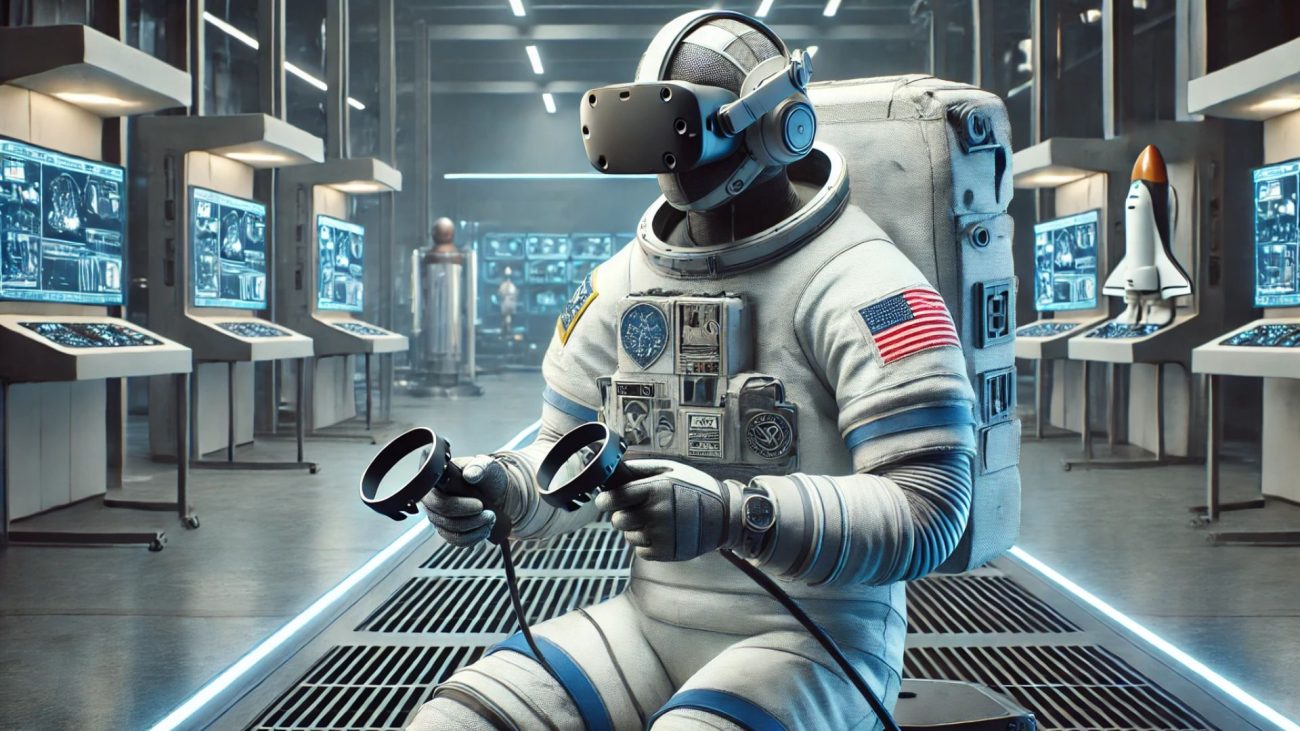
Simulating Space Missions with VR
Mission Planning and Visualization
Effective mission planning is crucial for the success of space exploration endeavors. VR serves as a powerful tool for visualizing mission parameters, trajectories, and objectives in a three-dimensional space, providing mission planners with a comprehensive understanding of the mission landscape. By simulating entire missions from launch to landing, VR allows planners to identify potential challenges, optimize flight paths, and allocate resources efficiently. This holistic view facilitates better decision-making, enabling mission planners to foresee and mitigate risks before they manifest in actual missions.
Furthermore, VR simulations can incorporate real-time data and predictive modeling to assess the feasibility of mission plans under various conditions. Planners can experiment with different scenarios, such as altering launch windows, adjusting orbital trajectories, or incorporating new technologies, to evaluate their impact on mission outcomes. This iterative process of simulation and analysis ensures that mission plans are robust, adaptable, and resilient, ultimately enhancing the likelihood of mission success and the safety of the crew.
Testing Equipment and Procedures
Before deploying equipment and procedures in the harsh environment of space, it is imperative to rigorously test them to ensure functionality and reliability. VR simulations provide a controlled environment where space agencies can test new equipment, validate operational procedures, and conduct virtual experiments without the high costs and logistical complexities of physical testing. By virtually assembling and disassembling equipment, astronauts can identify design flaws, improve ergonomics, and refine operational protocols, ensuring that all components perform as intended during actual missions.
Additionally, VR allows for the testing of emergency procedures and contingency plans in a realistic yet safe setting. For instance, astronauts can practice repairing malfunctioning equipment, responding to system failures, or executing emergency protocols, all within a virtual environment that mirrors the conditions of space. This hands-on experience not only enhances the technical proficiency of astronauts but also builds their confidence and readiness to handle unforeseen challenges, thereby contributing to the overall resilience and adaptability of space missions.
Simulating Extraterrestrial Environments
Exploring extraterrestrial environments, such as the Moon, Mars, or asteroids, presents unique challenges that require specialized preparation. VR enables the simulation of these environments with high precision, allowing astronauts to familiarize themselves with the terrain, atmospheric conditions, and potential hazards they may encounter. By virtually traversing Martian landscapes, navigating lunar bases, or exploring asteroid surfaces, astronauts can gain valuable insights into the physical and environmental dynamics of these celestial bodies, enhancing their preparedness for actual exploration missions.
These simulations can also incorporate geological and atmospheric data collected from previous missions and remote sensing technologies, ensuring that the virtual environments are as accurate and informative as possible. This level of detail allows astronauts to practice navigation, conduct scientific research, and perform geological surveys in a setting that closely resembles the real-world conditions they will face. By bridging the gap between theoretical knowledge and practical experience, VR simulations of extraterrestrial environments play a crucial role in advancing our understanding and exploration of the final frontier.
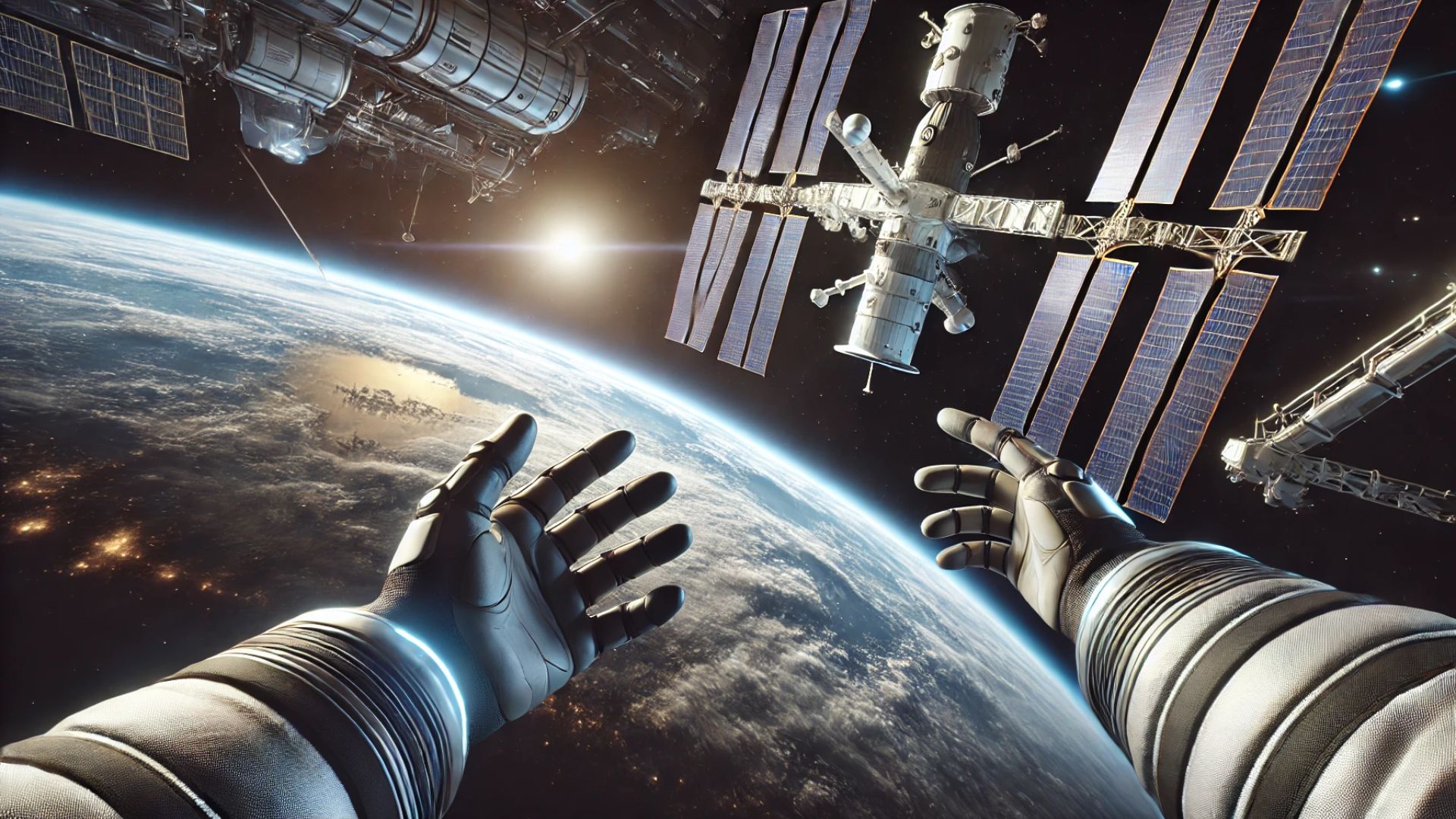
Enhancing Mission Planning with VR
Collaborative Mission Design
Mission planning is a complex process that involves the collaboration of scientists, engineers, and mission planners from diverse disciplines and geographical locations. VR facilitates a collaborative mission design process by providing a shared virtual workspace where all stakeholders can visualize and interact with mission components in real-time. This immersive collaboration environment enables team members to discuss, modify, and optimize mission plans dynamically, fostering a more integrated and efficient planning process.
Through VR, participants can manipulate mission elements, such as spacecraft design, orbital paths, and payload configurations, in a three-dimensional space, allowing for a more intuitive and comprehensive understanding of the mission architecture. This interactive approach not only streamlines communication but also accelerates the identification and resolution of potential issues, ensuring that mission plans are meticulously crafted and thoroughly vetted before implementation. By enhancing collaboration and fostering a more cohesive planning environment, VR contributes to the development of robust and innovative mission strategies.
Risk Assessment and Mitigation
Assessing and mitigating risks is a fundamental aspect of mission planning, particularly in the high-stakes realm of space exploration. VR simulations provide a platform for conducting detailed risk assessments by modeling various mission scenarios and identifying potential vulnerabilities. By simulating mission phases, such as launch, transit, landing, and surface operations, VR allows mission planners to evaluate the impact of different risk factors, such as equipment failures, environmental hazards, or human errors, on mission outcomes.
This proactive approach to risk management enables the development of effective mitigation strategies, such as redundant systems, contingency plans, and safety protocols, tailored to address identified risks. VR also facilitates the testing of these mitigation strategies in a controlled virtual environment, allowing mission planners to refine and optimize them based on simulated performance. By enhancing the ability to foresee and address potential risks, VR plays a critical role in ensuring the safety, reliability, and success of space missions.
Optimizing Mission Logistics
Efficient logistics management is essential for the smooth execution of space missions, encompassing aspects such as supply chain management, resource allocation, and timeline scheduling. VR aids in optimizing mission logistics by providing a detailed visualization of logistical processes and enabling the simulation of various logistical scenarios. This allows mission planners to identify bottlenecks, streamline workflows, and enhance resource utilization, ensuring that all mission components are delivered and deployed in a timely and coordinated manner.
Additionally, VR can simulate the interactions between different logistical elements, such as transportation, storage, and deployment, allowing planners to optimize the sequence and timing of logistical operations. This comprehensive understanding of logistical dynamics facilitates better planning and coordination, reducing the likelihood of delays, resource shortages, or operational inefficiencies. By enhancing the precision and effectiveness of mission logistics, VR contributes to the overall efficiency and success of space exploration endeavors.
Technological Advancements Driving VR in Space Exploration
High-Fidelity Graphics and Real-Time Rendering
The effectiveness of VR simulations in space exploration heavily relies on the quality of graphics and the ability to render environments in real-time. Advances in high-fidelity graphics technology enable the creation of highly detailed and realistic virtual environments that closely mimic the conditions of space missions. Real-time rendering capabilities ensure that these environments respond dynamically to user interactions and changing mission parameters, providing an immersive and interactive experience that enhances training and mission planning.
The integration of photorealistic textures, accurate lighting, and precise physics modeling contributes to the authenticity of VR simulations, allowing astronauts and mission planners to engage with virtual environments in a manner that closely resembles real-world conditions. These technological advancements not only enhance the visual and experiential quality of VR simulations but also improve the accuracy and reliability of the training and planning processes, ensuring that virtual experiences translate effectively into real-world applications.
Advanced Motion Tracking and Haptic Feedback
Accurate motion tracking and realistic haptic feedback are critical components of effective VR systems, particularly in the context of space exploration training and simulation. Advanced motion tracking technologies enable precise monitoring of an astronaut's movements, allowing for seamless interaction with virtual environments and ensuring that physical actions are accurately mirrored in the virtual space. This level of precision enhances the realism of training exercises, enabling astronauts to develop muscle memory and refine their movements in a manner that translates directly to real-world tasks.
Haptic feedback systems complement motion tracking by providing tactile sensations that simulate the feel of interacting with virtual objects and environments. By delivering realistic feedback, haptic technology enhances the sense of presence and immersion, allowing astronauts to experience the resistance, texture, and force associated with various tasks and equipment interactions. This combination of accurate motion tracking and haptic feedback creates a highly immersive and interactive training environment, fostering the development of the physical skills and tactile awareness necessary for successful space missions.
Artificial Intelligence and Machine Learning Integration
The integration of Artificial Intelligence (AI) and Machine Learning (ML) into VR systems is driving significant advancements in the capabilities and effectiveness of VR simulations for space exploration. AI-powered virtual instructors and adaptive learning algorithms can personalize training programs based on an astronaut's performance, identifying areas for improvement and adjusting training scenarios to address specific needs. This tailored approach ensures that each astronaut receives targeted training that enhances their strengths and mitigates their weaknesses, optimizing the overall training efficacy.
Machine Learning algorithms can analyze vast amounts of data generated during VR simulations to identify patterns, predict potential challenges, and optimize mission planning processes. By leveraging AI and ML, VR systems can provide predictive insights and intelligent feedback, enabling mission planners to make data-driven decisions and enhance the accuracy and reliability of mission simulations. This synergy between AI, ML, and VR not only enhances the adaptability and responsiveness of training and simulation environments but also drives continuous improvement and innovation in space exploration strategies.
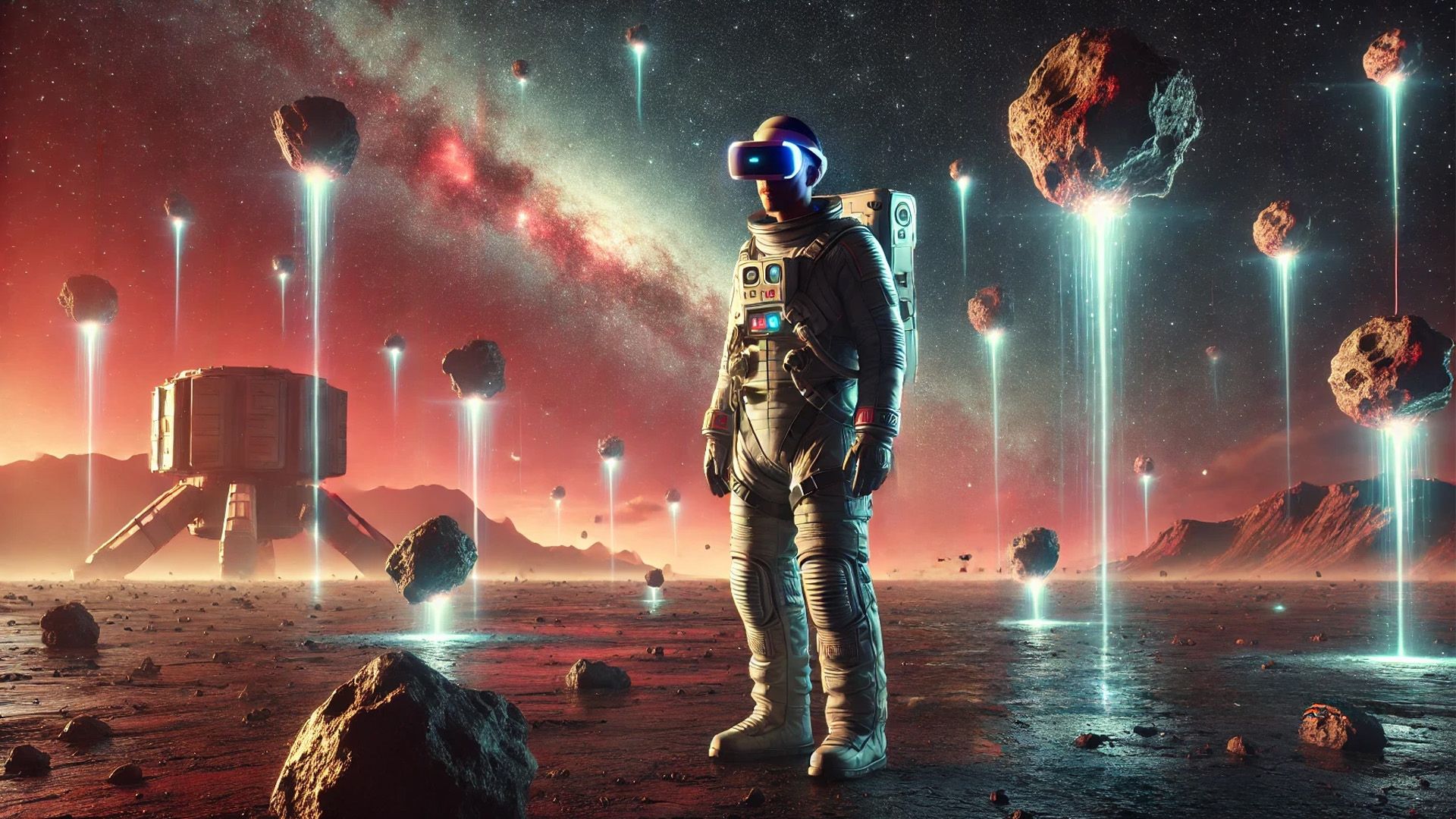
The Future of VR in Space Exploration
Expanding Beyond Earth-Orbit Missions
While VR has already made significant inroads into training and simulation for Earth-orbit missions, its potential extends far beyond. As humanity sets its sights on the Moon, Mars, and beyond, VR will play an increasingly crucial role in preparing for the unique challenges of deep space exploration. From simulating long-duration spaceflights and interplanetary travel to replicating the harsh conditions of extraterrestrial environments, VR will be indispensable in equipping astronauts with the skills, resilience, and adaptability required for extended missions far from Earth.
Future VR applications may include virtual reality-based habitat simulations, where astronauts can practice living and working in confined spaces for extended periods, enhancing their ability to maintain mental and physical health during long missions. Additionally, VR can facilitate the training for complex interplanetary maneuvers, such as docking with spacecraft, navigating through asteroid fields, or landing on uneven terrain, ensuring that astronauts are thoroughly prepared for the multifaceted demands of deep space exploration.
Integration with Augmented Reality and Mixed Reality
The convergence of Virtual Reality (VR) with Augmented Reality (AR) and Mixed Reality (MR) technologies is poised to further enhance the capabilities of immersive training and simulation for space exploration. Augmented Reality overlays digital information onto the physical world, while Mixed Reality blends virtual and real-world elements to create interactive environments. The integration of these technologies with VR can provide a more comprehensive and versatile training platform, enabling astronauts to interact with both virtual and real-world elements simultaneously.
For instance, combining VR with AR could allow astronauts to receive real-time data and visual cues within a virtual simulation, enhancing situational awareness and decision-making capabilities. Mixed Reality applications could enable the seamless integration of virtual tools and equipment into real-world training environments, allowing astronauts to practice using actual hardware within a simulated mission context. This hybrid approach leverages the strengths of each technology, creating a more immersive, interactive, and effective training environment that better prepares astronauts for the complexities of space missions.
Enhancing Interplanetary Collaboration and Communication
As space missions become more collaborative and involve multiple international partners, effective communication and coordination across vast distances become paramount. VR can facilitate interplanetary collaboration by providing a shared virtual workspace where mission teams from different parts of the world can interact, plan, and execute mission tasks in real-time. This immersive collaboration environment transcends geographical barriers, enabling seamless communication and fostering a sense of unity and teamwork among mission participants.
Moreover, VR can enhance communication between astronauts and mission control, providing a more intuitive and interactive interface for transmitting information, instructions, and feedback. By visualizing mission data and telemetry in a three-dimensional space, VR can improve the clarity and comprehensibility of complex information, enabling more effective and efficient communication. This enhanced collaboration and communication capability is essential for the success of large-scale, interplanetary missions that require the coordinated efforts of diverse and geographically dispersed teams.
Frequently Asked Questions
How does Virtual Reality improve astronaut training compared to traditional methods?
Virtual Reality offers immersive and interactive training environments that closely mimic real-space conditions, allowing astronauts to practice complex tasks and respond to emergencies in a safe, controlled setting. This experiential learning enhances skill acquisition, situational awareness, and decision-making, providing a more effective and comprehensive training experience compared to traditional methods that rely solely on theoretical instruction and physical simulations.
Can VR simulations accurately replicate the conditions of space missions?
Yes, advanced VR technologies can accurately replicate various aspects of space missions, including microgravity, spacecraft interiors, and extraterrestrial environments. High-fidelity graphics, real-time rendering, and precise motion tracking contribute to the realism of VR simulations, enabling astronauts to experience and interact with virtual environments that closely resemble actual mission conditions.
What are the cost benefits of using VR for space mission planning and training?
Using VR for mission planning and training can significantly reduce costs by minimizing the need for physical prototypes, extensive travel for training, and the logistical expenses associated with traditional training simulations. VR allows for the rapid iteration and testing of mission plans and training scenarios, leading to more efficient resource allocation and a reduction in overall mission costs.
How is VR integrated with other technologies like AI and machine learning in space exploration?
VR is integrated with AI and machine learning to create adaptive and intelligent training and simulation environments. AI-powered virtual instructors can personalize training programs based on an astronaut's performance, while machine learning algorithms analyze simulation data to identify patterns and optimize mission planning processes. This integration enhances the responsiveness, adaptability, and effectiveness of VR applications in space exploration.
What future advancements are expected in VR technology for space exploration?
Future advancements in VR technology for space exploration include higher fidelity graphics, more accurate motion tracking, enhanced haptic feedback, and the integration of augmented and mixed reality. These developments will further improve the realism and interactivity of VR simulations, enabling more comprehensive training, more detailed mission planning, and greater collaboration among international space agencies.