

Metaverse Fashion
Author
Elisha Roodt
Date Published
A Glimpse into the Future of Digital Wearables
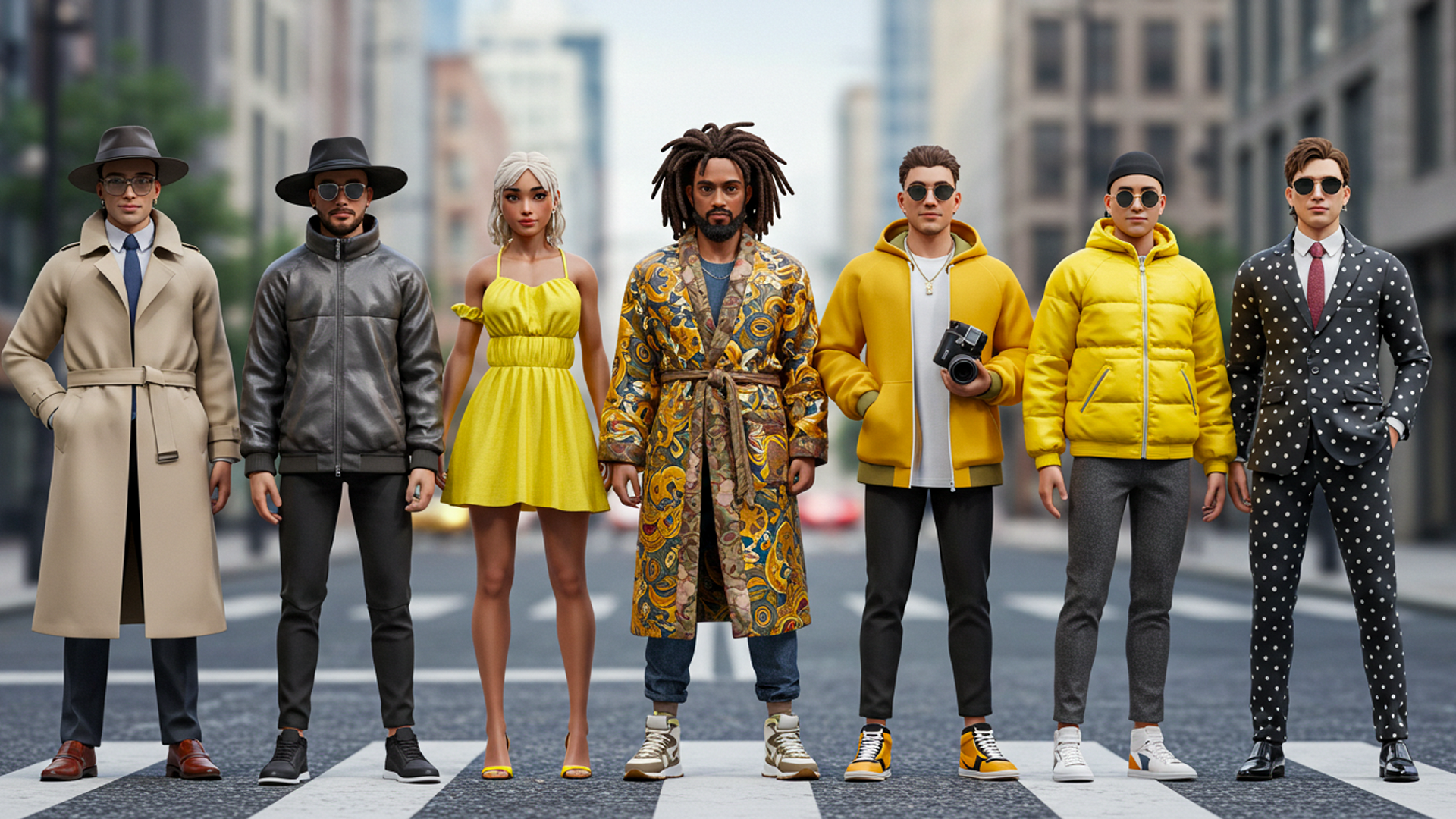
In the sprawling digital frontiers of the metaverse, a new industry has emerged at the intersection of fashion, technology, and artistry. Digital wearables—clothing, accessories, and even skin modifications for avatars—are no longer mere aesthetic add-ons; they are powerful statements of identity and culture. As people spend increasing amounts of time in virtual spaces, the demand for expressive, customizable fashion grows, transforming wardrobes into files and fabrics into polygons. Imagine walking into a virtual gallery opening where your shimmering jacket is a one-of-a-kind NFT, coded onto the blockchain as both art and attire. This is the promise and challenge of metaverse fashion: a market that is simultaneously experimental and immensely practical, where storytelling and technology merge seamlessly into digital self-expression.
The Rise of NFT Avatars and Digital Identity
From Profile Pictures to Living Personas
The journey from static profile pictures to fully interactive NFT avatars represents more than technological progress—it is a cultural shift. Early internet forums relied on usernames and icons, but today, avatars serve as immersive embodiments of personal identity. Owning an NFT avatar is akin to owning a rare painting that can walk, talk, and interact across multiple digital landscapes. For collectors, this means more than scarcity; it means living art. For designers, it unlocks the potential to craft wearable masterpieces that adapt, animate, and express mood, much like a digital chameleon reflecting its owner’s story.
Consider a virtual nightclub where two people wear identical suits in shape but differ in texture—one radiates neon pulses synced to the beat, while the other reflects cosmic constellations in real time. Both are NFTs, both unique, and both communicate something deeply personal about their owners. The avatar has become a stage, and digital fashion the choreography. What was once a costume change in a game is now a statement of belonging, artistry, and sometimes even rebellion, coded in blockchain permanence.
Scarcity as a Digital Luxury
In traditional fashion, scarcity drives luxury—limited collections, exclusive runway pieces, and high-end couture. The same mechanics apply in the metaverse, except scarcity is coded rather than stitched. Blockchain ensures that a limited-edition digital gown cannot be replicated beyond its intended count, even if the file itself can be copied. This subtlety is where value resides: authenticity. Buyers aren’t simply paying for polygons; they’re investing in verified uniqueness. It is the digital equivalent of couture ateliers, where every hemline and fabric choice carries prestige, except here, the scarcity is a line of immutable code.
Imagine purchasing a virtual sneaker that glows differently depending on the platform it’s displayed in. Only 50 pairs exist, each authenticated via blockchain. In a sea of infinite digital replication, yours remains one of the few certified originals. It becomes a wearable investment, an identity marker, and a cultural artifact all at once. Much like collectors of vintage Chanel or Air Jordans, digital fashion connoisseurs measure status not just in ownership but in provenance and narrative.
Avatars as Cultural Storytellers
Avatars are no longer just digital puppets; they are narrative vessels. Through fashion, they tell stories of heritage, fandom, rebellion, or aspiration. A player’s neon-lit exosuit may reference cyberpunk mythology, while another’s flowing digital kimono could honor centuries of cultural tradition. In this sense, digital wearables are not merely decorative—they’re communicative. The NFT layer adds permanence, turning each outfit into an archived chapter of the wearer’s digital autobiography. This blending of storytelling and commerce is why brands and independent creators alike are racing to dress the metaverse.
Picture a festival in a sprawling digital desert. Attendees arrive in wearables inspired by mythology, science fiction, or even inside jokes. Each avatar embodies a micro-story, and together they form a living anthology of shared experience. The outfit becomes not only a personal marker but also a narrative bridge between communities. In this environment, fashion is both language and legacy, reshaping the way identity is expressed and remembered in digital spaces.

Digital Wearables as Economic Engines
The Marketplace of Infinite Wardrobes
Unlike physical fashion houses constrained by textile supply chains, digital wearables can be produced infinitely once designed. This scalability reshapes the economics of fashion, giving independent creators the same distribution power as luxury brands. Online marketplaces become the new fashion runways, where designs can be minted as NFTs and instantly sold to global audiences. It’s a marketplace without warehouses, where a designer in Lagos can clothe an avatar in Los Angeles within seconds. The speed and accessibility fundamentally rewrite fashion commerce, democratizing who gets to participate in the industry.
Yet, the paradox of infinite wardrobes is that scarcity still rules the value system. While thousands of designs can be uploaded, only a fraction gain traction due to narrative, artistry, or clever marketing. Just like music streaming, the abundance of options creates both opportunities and noise. The successful digital designer is not just a skilled 3D modeler but also a savvy storyteller and community builder. They must craft not only clothes but also cultural resonance, positioning their creations as must-haves in the digital economy.
Fashion Brands Entering the Metaverse
Global fashion giants are not standing idly by. Luxury houses like Gucci, Balenciaga, and Louis Vuitton have all tested the waters of digital wearables, experimenting with limited-edition releases in virtual worlds. For these brands, the metaverse offers more than revenue streams—it offers cultural longevity. By embedding themselves into digital ecosystems, they ensure that their logos, aesthetics, and narratives transcend physical fabrics and persist in avatars’ wardrobes. The runway extends from Paris to pixelated plazas, creating continuity between heritage and innovation.
Consider Gucci’s virtual sneakers, which could be “worn” on social media or inside digital platforms. Though intangible, they carried the same aura of exclusivity and desirability as their leather counterparts. What might seem frivolous to skeptics is, in fact, a profound shift: fashion becoming untethered from physical materiality while retaining its symbolic power. The metaverse amplifies branding as much as it democratizes design, allowing established players to reinforce their dominance in unexpected terrains.
Independent Creators as Digital Tailors
Beyond luxury brands, the metaverse thrives on grassroots creativity. Independent designers can thrive in a way unthinkable in traditional fashion. Equipped with tools like Blender, CLO3D, and Marvelous Designer, creators can model garments, simulate fabric physics, and mint them as NFTs without ever touching a sewing machine. They become digital tailors for avatars, crafting experiences as much as outfits. Their power lies not in factory access but in imagination and community engagement. In many ways, this democratization mirrors the rise of streetwear in the physical world—bottom-up, community-driven, and culture-defining.
One independent creator might design a jacket whose sleeves morph into wings when the avatar jumps, while another builds a holographic crown that shifts colors with emotional states. These are not just outfits but interactive experiences. The appeal lies in novelty and customization, creating a vibrant digital bazaar where each stall offers a portal into someone’s artistic vision. Just as local artisans in physical markets define regional culture, digital tailors shape the identity of the metaverse, piece by polygon.
3D Modeling Meets Fashion Innovation
The Fabric of Polygons
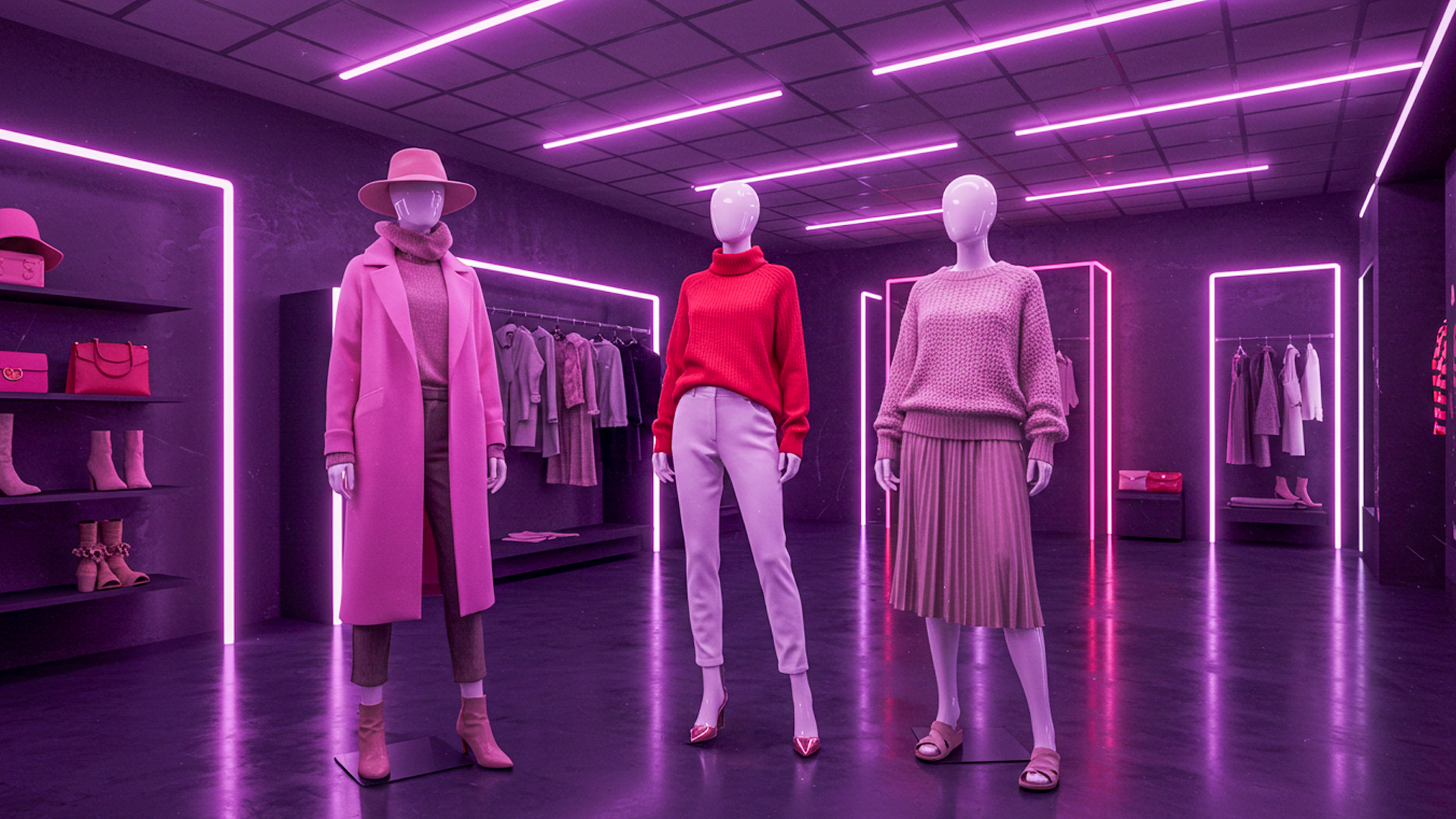
Where cotton, silk, and leather once reigned, polygons, shaders, and textures now dominate. 3D modeling brings fashion into the digital age by transforming the tactile into the visual. Programs like Blender and Maya allow designers to sculpt garments down to the stitch, simulating drape, weight, and movement. These aren’t approximations—they are virtual fabrics behaving with near-physical fidelity, thanks to physics engines that account for gravity, wind, and collision. The result is a paradox: clothes that don’t exist but move as if they do.
A metaphor helps: if fabric is clay in a potter’s hands, polygons are clay in a designer’s imagination. The elasticity of the medium allows for impossible creations—jackets woven from fire, gowns made of shifting glass, or hats that bloom into digital flowers when greeted. These are not constraints but invitations to rethink fashion altogether. The designer becomes not just a tailor but a magician, using 3D modeling as the loom of a new sartorial language.
The Physics of Digital Drapery
The magic of digital wearables lies in their believability. Physics simulations give digital garments weight and realism, allowing them to ripple, fold, and stretch convincingly. In platforms like CLO3D, a silk dress will flow differently than denim jeans, with each fiber modeled to mimic real-world materiality. For the user, this realism is crucial. A stiff, unrealistic fabric breaks immersion, while a convincingly simulated garment enhances both aesthetic and emotional connection. The invisible hand of physics makes digital wearables not only visually stunning but experientially authentic.
Imagine donning a virtual cape in a game that responds to your avatar’s movements—billowing as you sprint, dragging as you crouch, and twisting as you turn. The physics system transforms the garment into an extension of your performance. This is fashion as choreography, where the garment participates in the narrative rather than passively adorning it. In this way, physics is not just code; it’s a silent dance partner, ensuring every step, leap, and turn feels grounded in a reality that doesn’t physically exist.
Interactivity as Couture
Interactivity elevates digital fashion beyond mere appearance. Imagine a jacket that glows brighter as your avatar approaches a heat source, or a pair of boots that leave trails of digital fire when you run. These elements transform clothing into storytelling devices, merging fashion with gameplay mechanics. It’s couture reimagined as interaction design, where each garment becomes a feature rather than an accessory. Designers are no longer limited to static textiles—they orchestrate dynamic experiences, blurring the line between clothing and environment.
At its most innovative, interactive fashion becomes a form of performative art. An avatar’s dress might shift colors to mirror their emotions, or accessories could unlock hidden narrative arcs in a virtual world. This isn’t futuristic speculation—it’s happening now, as creators leverage real-time engines like Unity and Unreal to imbue wearables with reactive qualities. Digital couture is less about fabric than about feedback, turning clothes into conversations between wearer, world, and observer. It’s not what you wear; it’s how it responds to you.

The Future of Digital Commerce and Storytelling
Cross-Platform Fashion Ecosystems
The metaverse is not one world but many, and digital fashion must traverse these realms seamlessly. A jacket purchased in Decentraland might need to function in Roblox, VRChat, or Meta Horizons. This demands interoperability, where designs are exported across multiple platforms without losing integrity. For designers, this is akin to tailoring clothes that must fit across dozens of bodies simultaneously. The challenge is steep, but the reward is immense: fashion as a universal passport across digital societies, uniting fragmented ecosystems under shared aesthetics.
Think of cross-platform wearables like multilingual garments—they must “speak” the technical languages of different engines and asset pipelines. The result is a patchwork quilt of compatibility, where each platform imposes rules yet contributes to a larger narrative of connected identities. Designers who master this will not just sell clothes; they will sell continuity, enabling avatars to remain recognizable and expressive wherever they roam. In a fragmented digital landscape, fashion becomes the glue that binds identities together.
Sustainability in the Age of Pixels
Unlike physical fashion, digital wearables eliminate textile waste, carbon-heavy supply chains, and unsold inventory. Yet sustainability in the metaverse takes on new meanings. Energy-intensive blockchain networks raise questions about the ecological footprint of NFTs. As the industry grows, designers and platforms must balance creativity with responsibility, adopting greener technologies like proof-of-stake blockchains or carbon-offset programs. The irony is striking: clothes that don’t physically exist may still leave a mark on the real world if their creation isn’t carefully managed.
This dynamic positions digital fashion at a crossroads: it can either repeat the environmental pitfalls of physical couture or become a beacon of sustainability through thoughtful innovation. Imagine a world where every NFT wearable sold contributes to reforestation efforts, or where blockchain validation runs on renewable-powered nodes. In such scenarios, buying digital boots is not just self-expression but environmental activism. The metaverse offers not only new fashion paradigms but also new opportunities for ecological storytelling.
Narratives Woven into Code
Ultimately, the power of digital fashion lies in its capacity to tell stories. Every outfit is more than design; it’s narrative stitched into code. Designers are becoming authors, crafting not just how avatars look but what they communicate. Whether it’s a hoodie that glows with constellations from one’s birthplace or a pair of gloves that unlock hidden doors in a game, wearables carry meaning far beyond surface appeal. They are chapters in the epic of digital identity, co-authored by creators and communities alike.
The metaverse is a vast stage, and fashion is its most intimate script. Through NFTs, 3D modeling, and interactivity, wearables weave identities, economies, and cultures into fabricless tapestries. This is not the end of fashion but its renaissance, where code replaces cotton and creativity knows no boundaries. The runway now extends into infinity, and every avatar is both model and muse, dressed not just in clothes but in stories waiting to be told.

The Future Of Digital Commerce And Storytelling